
EMS UPDATE | SEAN BURROWS
Introducing CPF’s New EMS/Health and Safety Director
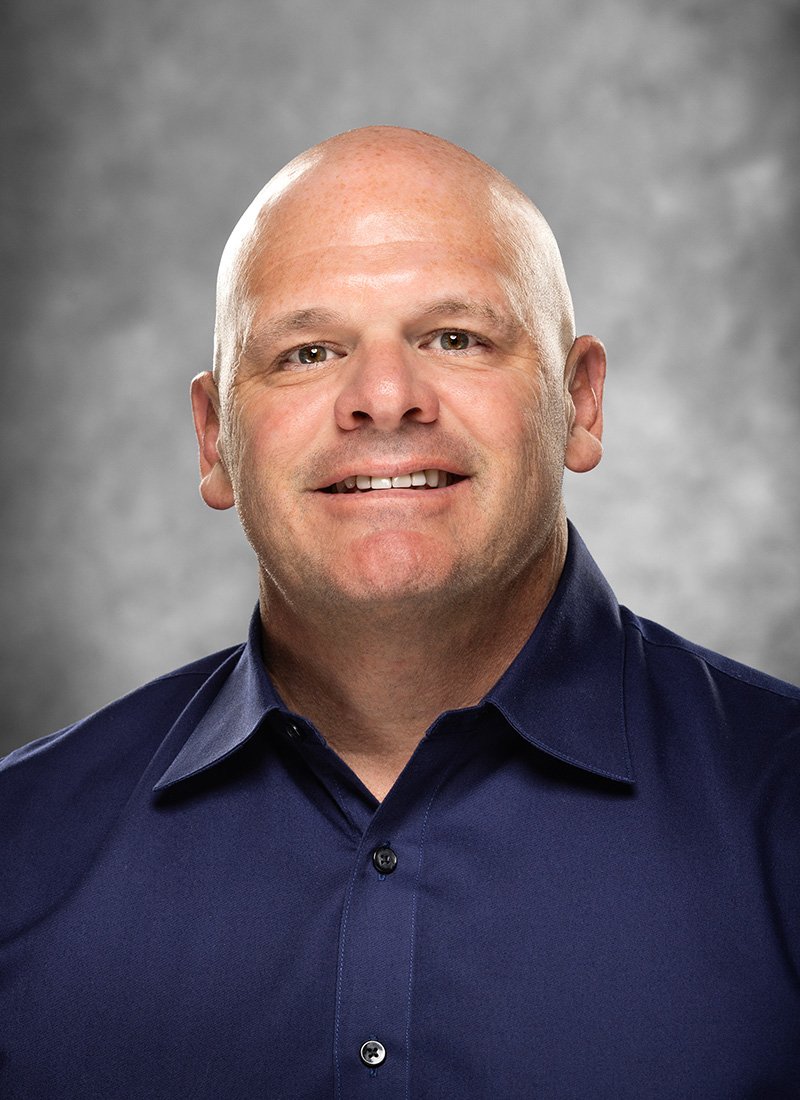
I wanted to take my first opportunity as the new CPF EMS and Health & Safety Director to introduce myself and provide a friendly reminder to ensure you’re reporting your exposures.
I have been a proud CPF member for the last 30 years and retired from the Alameda County Fire Department in December 2025. I have been an elected union officer for over 20 years and most recently served six terms as the President of Alameda County Firefighters, Local 55, ending my term in April of this year.
I am so proud and honored to join the CPF staff and I view my new role much the same way I did as a union president; to serve this membership and assist with any issues on the EMS and health and safety front so you can do your job more effectively.
My message for this article is simple; document your exposures – ALL OF THEM!
The fire service has always understood risk. We train for it, prepare for it, and accept that responding to emergencies means placing ourselves in dangerous environments. But today, some of the greatest threats facing firefighters are no longer limited to what happens on the fireground in the moment. Increasingly, the dangers that are impacting our members are cumulative, long-term, and often invisible.
Cancer continues to be one of the leading occupational threats in the fire service. Years of exposure to smoke, carcinogens, hazardous materials, and toxic environments have left a devastating impact on firefighters and their families. At the same time, behavioral health injuries and post-traumatic stress injuries (PTSI) are affecting members across every rank and every department. The repeated exposure to traumatic incidents, combined with the strain of mandatory overtime, extended shifts, and lack of recovery time, creates an accumulating burden that can follow firefighters long after the call is over.
These issues are deeply connected. They are both the result of cumulative exposures sustained over a career of service.
California has made significant progress in establishing presumptive protections for occupational cancer and behavioral health injuries. Those protections matter. However, presumptions alone are not enough. When firefighters become ill, seek disability retirement, or when families pursue Public Safety Officer Benefits (PSOB), one question often determines the outcome: Can the exposure history be documented?
Historically, the fire service has relied on memory, minimal or incomplete incident records, or reconstructing years of exposures after the fact. That approach no longer meets the reality of today’s systems. Documentation has become essential.
That is why the Personal Exposure Reporting (PER) platform is such an important advancement for the fire service. The platform allows firefighters to document occupational exposures in real time throughout their careers. This includes fires, hazardous environments, traumatic incidents, and other significant events that may later support occupational cancer or behavioral health claims.
The value of this system is not simply technological - it is protective.
Consistent documentation creates a record that can support firefighters and their families years later when they need it most. It helps establish patterns of cumulative exposure and strengthens the ability to connect occupational hazards to long-term health outcomes.
For this effort to succeed, participation is critical. Exposure reporting must become part of the culture of the fire service, just like wearing SCBA, decontaminating gear, or looking out for fellow crew members. It cannot be treated as optional or occasional.
If your local is a PER subscriber, continue to push members to expand its usage. Cumulative exposure to diesel exhaust, sleep deprivation, or impacts on our members’ personal life due to mandatory overtime and lack of work/life balance are real. Document them.
If your local is not a PER subscriber, find out how to join. Locals can negotiate their subscriber fees into their MOUs, approve via their Sub-JAC committee, or a local can pay for each member.
The fire service cannot eliminate every hazard associated with this profession. But we can improve how we prepare for those risks and how we protect firefighters when the long-term consequences emerge.
Our members have earned that protection through a lifetime of service.
Please do not hesitate to reach out directly should you have any questions, feedback, or need more specific information about CPF’s EMS / Health and Safety initiatives. I can be contacted at sburrows@cpf.org.